

TL;DR
The creator economy is worth over $250 billion, but most creators earn under $15,000 a year because they don’t own their distribution. Building an app is the strongest move a creator can make to diversify income and escape algorithm dependency. This article covers 15 concrete app ideas for creators, organized by category, with specific monetization models, build complexity, revenue benchmarks, and real-world proof for each one. Whether you’re a creator building for your own audience or a founder building for the creator market, these ideas are validated and ready to ship.
Quick Answer: What Are the Best App Ideas for Creators?
The best app ideas for creators in 2026 are membership communities, fan-content apps, digital product stores, AI video editors, content schedulers, analytics dashboards, course apps, coaching platforms, media kit generators, UGC marketplaces, and AI content repurposing tools. The strongest opportunities combine a specific creator niche, recurring user value, and a clear monetization model such as subscriptions, transactions, or premium features.
What Is a Creator App?
A creator app is a mobile or web application built either for creators to serve their audiences or for creators to manage their businesses. Common examples include membership apps, content platforms, course apps, analytics tools, scheduling software, digital storefronts, and AI content tools. The best creator apps solve one recurring problem and connect that solution to a sustainable revenue model.
The Creator Economy Has a Platform Problem
More than 50 million people worldwide call themselves creators. The market they operate in was valued at $252.3 billion in 2025 and is projected to hit $1.3 trillion by 2033. Those numbers sound promising until you look at the other side: over half of all creators earn less than $15,000 per year.
The gap between the market’s size and the median creator’s income comes down to one thing: platform dependency. Building an audience on someone else’s platform is great, until the algorithm changes and half of them disappear. Every creator who has watched their reach collapse after an Instagram update or a YouTube policy shift understands this viscerally.
The fix is owning your distribution. An app is the most direct path to that ownership because it puts your content, community, and commerce on a device your audience checks 96 times a day, with no feed algorithm standing between you and them.
Creators who diversify agree. Those running three or more income streams earn roughly $75,000 more per year than those relying on a single source. And according to Circle’s 2026 Community Trends report, 46% of creators say having a community gives their business a clear competitive advantage.
This list covers app ideas for creators in two senses: apps a creator can build for their own audience, and apps a founder can build to serve the creator market. Each idea includes what it is, who it’s for, how it makes money, real-world proof, and how hard it is to build.
If you want to see what a finished creator app actually looks like, browse real examples built with AI.
Why Build an App Instead of Using a Creator Platform?
Creator platforms such as Patreon, Circle, Kajabi, and Mighty Networks can be faster ways to launch, but they trade speed for control. A custom creator app requires more work upfront but gives the creator greater control over the product experience, branding, feature roadmap, monetization, and customer relationship.
Factor | Existing Creator Platform | Custom Creator App |
|---|---|---|
Launch speed | Faster | Slower |
Technical work | Low | Higher |
Customization | Limited to platform features | High |
Branding | Shared/platform-dependent | Fully customizable |
Product roadmap | Platform controls it | Creator controls it |
Monetization | Platform rules and fees | Creator chooses model, subject to app-store rules |
Audience experience | Standardized | Custom |
Data ownership | Depends on platform | Greater control |
Upfront cost | Usually lower | Usually higher |
For creators who are still validating an idea, an existing platform can be the better starting point. A custom app becomes more attractive when the creator has a proven audience, recurring revenue, or a specific experience that existing platforms cannot provide.
At-a-Glance Comparison Table
Direct-to-Fan Apps
# | App Idea | Best For | Revenue Model | Build Complexity | Monthly Revenue Potential |
|---|---|---|---|---|---|
1 | Exclusive Community & Membership | Creators with loyal audiences | Subscriptions, tips | Moderate | $2K–$20K+ |
2 | Fan Hub / Content App | YouTubers, podcasters | Subscription, ad-free access | Moderate | $5K–$12K |
3 | Digital Product Storefront | Designers, educators | Direct sales | Low–Moderate | $1K–$10K |
Creator Workflow Apps
# | App Idea | Best For | Revenue Model | Build Complexity | Monthly Revenue Potential |
|---|---|---|---|---|---|
1 | AI Short-Form Video Editor | Video creators, agencies | Freemium + B2B plans | High | $5K–$50K |
2 | Content Calendar & Scheduler | Multi-platform creators | Subscription ($5–10/mo) | Moderate | $3K–$15K |
3 | Multi-Platform Analytics Dashboard | Data-driven creators | Subscription | Moderate | $2K–$8K |
Creator-to-Audience Engagement Apps
# | App Idea | Best For | Revenue Model | Build Complexity | Monthly Revenue Potential |
|---|---|---|---|---|---|
1 | Course / Micro-Learning App | Coaches, educators | Course access + subscription | Moderate | $3K–$15K |
2 | Coaching & Booking App | Fitness, tutoring, coaching | Per-booking or subscription | Low–Moderate | $2K–$10K |
3 | Live Shopping App | E-commerce creators | Transaction fees | High | $5K–$30K+ |
Creator Business Infrastructure Apps
# | App Idea | Best For | Revenue Model | Build Complexity | Monthly Revenue Potential |
|---|---|---|---|---|---|
1 | Media Kit Generator | Influencers seeking brand deals | Freemium + premium | Low | $1K–$5K |
2 | Invoice & Payment Tracker | Freelance creators | Subscription ($5–10/mo) | Low | $1K–$5K |
3 | UGC Marketplace | Brands + UGC creators | Transaction commission | Moderate | $5K–$20K |
Emerging & Niche Ideas
# | App Idea | Best For | Revenue Model | Build Complexity | Monthly Revenue Potential |
|---|---|---|---|---|---|
1 | AI Content Repurposing Engine | Podcasters, long-form creators | Usage-based or subscription | Moderate–High | $3K–$15K |
2 | Portfolio & Case Study Builder | Designers, consultants | Freemium + premium export | Low | $1K–$5K |
3 | Creator Peer Feedback App | All creators pre-publish | Freemium + premium tiers | Low–Moderate | $1K–$8K |
Revenue potential reflects realistic solo-developer or small-team outcomes after 12 to 18 months, based on indie developer benchmarks.
Which Creator App Idea Should You Build?
The best creator app depends on what you already have: an audience, expertise, products, brand relationships, or a recurring workflow problem.
Your Situation | Best App Idea | Why |
|---|---|---|
You already have a loyal audience | Membership app | Converts audience attention into recurring revenue |
You sell digital products | Digital storefront | Owns the buying experience |
You publish lots of video | AI video editor | Reduces production time |
You publish on multiple platforms | Content scheduler | Centralizes distribution |
You sell courses | Micro-learning app | Adds structured learning and retention |
You coach clients | Coaching app | Combines booking, payments, and communication |
You work with brands | Media kit generator | Makes partnership management easier |
You create UGC | UGC marketplace | Connects content supply with brand demand |
You publish long-form content | AI repurposing app | Turns one piece of content into multiple assets |
You are a designer | Portfolio builder | Turns work into a client acquisition asset |
You are building for other creators | Analytics or workflow tool | Solves recurring operational problems |
Direct-to-Fan Apps
These app ideas for creators focus on the most fundamental shift a creator can make: moving their audience off rented platforms and onto owned ones.
1. Exclusive Community & Membership App
Best for: Creators with an engaged audience ready to pay for access.
This is the single most requested app concept in the creator economy, and for good reason. A membership app gives you a space that is actually yours: subscriptions, tips, exclusive drops, live sessions, and a community you own outright. No algorithm decides who sees your posts.
How it makes money:
Tiered subscriptions (free, standard, premium)
Tips and one-time contributions
Gated content (early access, behind-the-scenes, exclusive drops)
Real-world proof: Mighty Networks reports hosting more million-dollar communities than any competitor. Circle charges $89/month minimum, which prices out early-stage creators. Practitioners on Lovable’s community forums highlight building “gated content and discussion forums without Circle’s price tag” as one of the most viable weekend project ideas. The gap between what Circle charges and what a solo-built app costs creates a real market opportunity.
Build complexity: Moderate. Core features are a login wall, a content feed with access tiers, a simple forum or chat, and Stripe or in-app purchase integration. If you go the subscription route on iOS, set up your paywall correctly from day one to avoid App Store rejection.
Tradeoffs:
Community apps require active moderation, which is ongoing labor
Retention depends heavily on consistent content output
Apple’s in-app purchase requirements apply to digital content
2. Fan Hub / Content App
Best for: YouTubers, TikTokers, and podcasters who already publish regularly on social platforms.
Content creators with an existing presence on YouTube, social media, or podcast directories can build a standalone mobile app for their brand. This is a natural extension, not a replacement, of their existing channels. The app becomes the premium layer: exclusive blogs, behind-the-scenes videos, early podcast episodes, or ad-free versions of existing content.
How it makes money:
Monthly subscription for exclusive or early-access content
Ad-free experience as a premium perk
Bundled merchandise or digital goods
Real-world proof: Uscreen’s data shows fitness creators earning around $11,900 per month and yoga/wellness creators averaging $8,300 per month through their own video apps. These aren’t celebrity-tier creators. They’re niche specialists who own their delivery channel.
Build complexity: Moderate. The core is a media player, a content feed, user accounts, and subscription management. Repurposing content you already produce keeps the content pipeline sustainable.
Tradeoffs:
Requires consistent content production (though you can repurpose)
Video hosting costs scale with audience size
Must offer enough differentiation from free content to justify the price
3. Digital Product Storefront App
Best for: Designers, educators, and creators selling templates, guides, presets, or digital downloads.
Instead of giving Gumroad 10% or Patreon 8 to 12% of every sale, a creator-owned storefront app lets you sell directly. The core build is a product listing page, file delivery on purchase, and Stripe integration. For creators already selling digital products, this is the simplest path to higher margins.
How it makes money:
Direct sales with zero platform cut beyond Apple’s commission
Apple’s Small Business Program charges 15% instead of 30% for developers earning under $1 million per year
Bundles and upsells
Real-world proof: Tally Forms, built by a solo developer as a form builder, generates approximately $120,000 per year through freemium subscriptions. The digital product storefront model is even more straightforward: no complex infrastructure, just listings, payments, and delivery.
Build complexity: Low to moderate. Product catalog, payment processing, file delivery, and basic analytics. This is one of the easiest app ideas for creators to ship quickly because the feature set is well-defined. To choose the right monetization model, consider whether one-time purchases or subscriptions better fit your product catalog.
Tradeoffs:
Apple’s in-app purchase rules are strict for digital goods (physical goods can use external payment)
Requires an existing product catalog or the ability to create one
Customer support falls entirely on you
Creator Workflow Apps
These ideas serve creators by solving the operational pain of producing and distributing content. They’re strong candidates for indie makers building for the creator market.
1. AI Short-Form Video Editor
Best for: Solo creators and small agencies producing Reels, Shorts, and TikToks at scale.
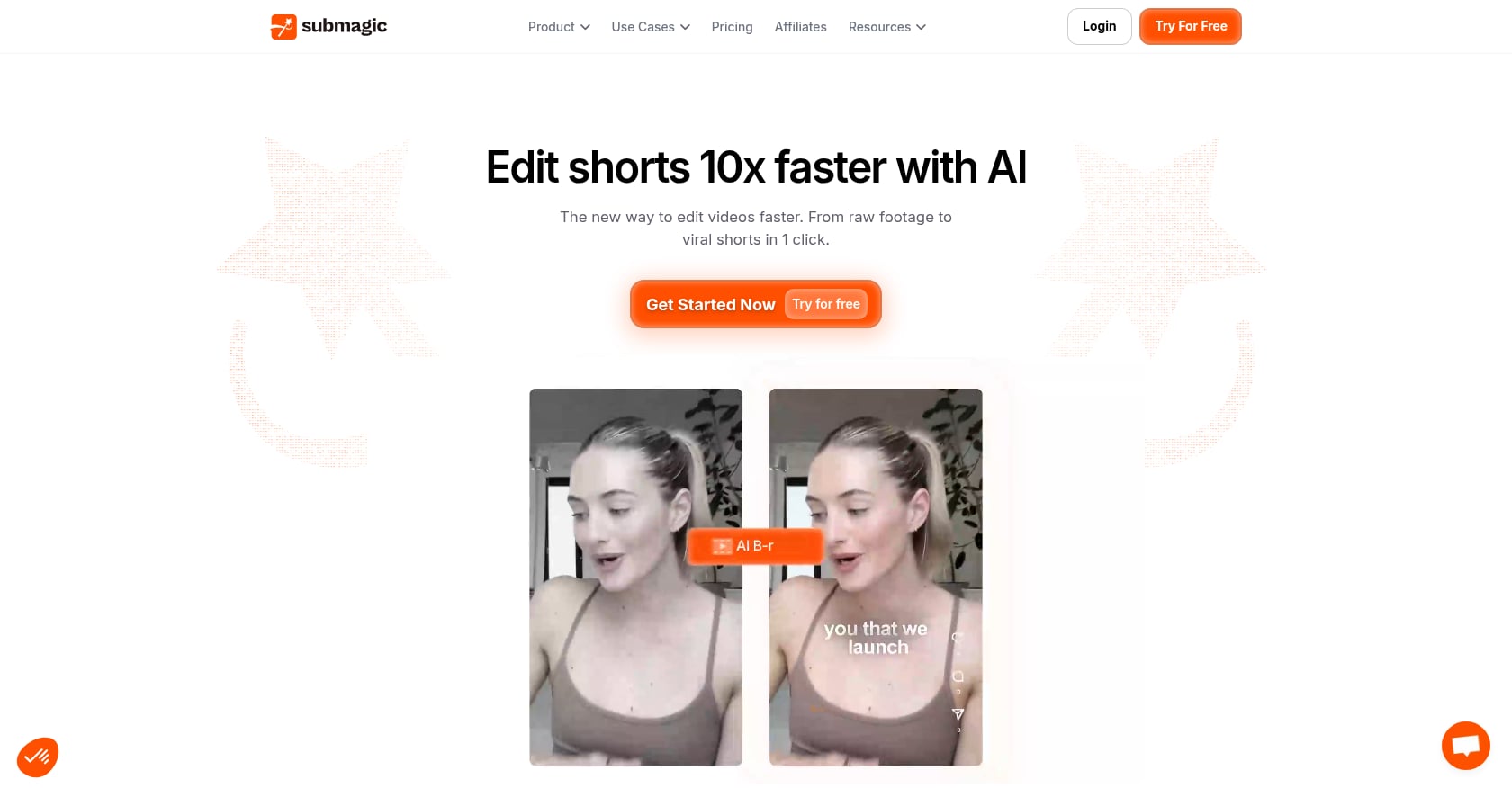
Short-form video is where attention lives right now, and producing it consistently is genuinely hard without a team. An app that automatically cuts footage, adds captions, suggests hooks, and formats for multiple platforms closes a real gap. Every creator who has spent four hours editing a 60-second clip knows the pain.
How it makes money:
Freemium model with premium AI features (auto-captions, style transfer, music sync)
B2B plans for agencies managing multiple creator accounts
Usage-based pricing for heavy editors
Real-world proof: CapCut’s dominance proves the demand. But CapCut is owned by ByteDance, which makes many creators uncomfortable. Indie alternatives with better privacy positioning and creator-specific features (like auto-clip selection from long-form content) have room to compete.
Build complexity: High. Video processing and AI model integration require significant technical work. This is not a weekend project, but the revenue ceiling is correspondingly higher.
Tradeoffs:
Computationally expensive to run (server costs for video processing)
Highly competitive category
AI quality must be genuinely good or users churn immediately
2. Content Calendar & Cross-Platform Scheduler
Best for: Multi-platform creators managing content across four or more channels.
Creators constantly complain about managing content across Instagram, TikTok, YouTube, Twitter, LinkedIn, and newsletters simultaneously. Existing tools like Buffer and Later are web-first and clunky on mobile. An iOS-native scheduling app with a clean, mobile-first UX would beat them on the experience creators actually want: planning content from their phone, where they create most of it.
How it makes money:
Subscription at $5 to $10 per month
Freemium base (one platform free, pay to add more)
Team plans for creators with assistants or managers
Real-world proof: RevenueCat’s 2025 State of Subscription Apps report found that subscription apps generate 4.5x more lifetime revenue per user than one-time purchases. A scheduling app with a $7/month subscription and strong retention can build meaningful recurring revenue with a surprisingly small user base.
Build complexity: Moderate. The core is a calendar UI, platform API integrations, and push notification reminders. Each new platform integration adds scope, so start with two or three and expand based on demand.
Tradeoffs:
Platform APIs change frequently (especially Meta’s)
Scheduling alone is increasingly commoditized
Differentiation requires something beyond “another scheduler”
3. Multi-Platform Analytics Dashboard
Best for: Data-driven creators and their managers who need a unified view of performance.
Most creators check analytics in five different apps. A dashboard that pulls from YouTube, Instagram, TikTok, Spotify (for podcasters), and newsletter platforms into one clean view, showing paid versus free subscribers, revenue per piece of content, and growth trends, solves a real daily frustration.
How it makes money:
Monthly subscription
Tiered pricing based on number of connected platforms
Premium insights (benchmarking against similar creators)
Real-world proof: The newsletter analytics niche alone is growing. Tools that connect to email platform APIs and display key metrics are seeing traction among Substack and Beehiiv creators who want better visibility into what’s working.
Build complexity: Moderate. The foundation is API connections, data aggregation, and chart/graph rendering. The challenge is maintaining integrations as platforms update their APIs.
Tradeoffs:
API rate limits and authentication complexity
Platforms can restrict or deprecate API access
Need to clearly communicate value beyond “pretty charts”
Creator-to-Audience Engagement Apps
These app ideas for creators bridge the gap between having an audience and actually serving them with structured, valuable experiences.
1. Course / Micro-Learning App
Best for: Coaches, educators, and subject-matter experts packaging knowledge into structured formats.
A course app lets creators build lesson sequences where learners see their progress and creators see engagement drop-off points. The core is a lesson checklist, a progress bar, and an admin view showing where learners stop. This data is gold because it tells creators exactly which content needs improvement.
How it makes money:
Subscription for access to the full library
Individual course purchases
Completion certificates as a premium add-on
Real-world proof: NotePlan, a markdown-based calendar and task manager built by a single developer, generates approximately $250,000 per year. Course apps have even stronger monetization potential because the perceived value of structured education is higher than productivity tools. One indie developer on YouTube shared that their simple course app reached $3,200/month within eight months by targeting a single niche (watercolor painting techniques).
Build complexity: Moderate. Lesson structure, progress tracking, user accounts, and payment. Video hosting adds complexity but is optional if your courses are text and image-based. If you’re planning your first app, use this idea brief template to clarify the concept before building.
Tradeoffs:
Course content requires significant upfront creation time
Completion rates for online courses are notoriously low (5 to 15%)
Apple requires in-app purchase for digital content access
2. Coaching & Appointment Booking App
Best for: Fitness trainers, tutors, therapists, and coaches offering one-on-one or group sessions.
Coaches need simple booking, payment, and session delivery in one place. Most currently juggle Calendly, Stripe, Zoom, and a spreadsheet. An integrated app that handles all four, with push notifications for upcoming sessions and in-app video calls, removes friction for both the coach and the client.
How it makes money:
Per-booking transaction fee
Monthly subscription for unlimited bookings
Premium features like session recordings or progress tracking
Real-world proof: Practitioners on Reddit’s r/EntrepreneurRideAlong report that coaching apps with even basic booking and payment functionality retain users better than web-based alternatives because the push notification keeps no-show rates low. One fitness coach shared that moving from Calendly to a custom app cut no-shows by 40%.
Build complexity: Low to moderate. Calendar integration, payment processing, video call embedding (or linking to Zoom/FaceTime), and push notifications. This is a well-scoped MVP.
Tradeoffs:
Physical services can use external payment (avoiding Apple’s IAP rules), but digital coaching sessions may require IAP
Session delivery quality depends on video infrastructure
Competes with established tools like Acuity and Calendly
3. Live Shopping / Livestream Commerce App
Best for: E-commerce creators, product reviewers, and influencers with engaged audiences.
This app puts the store inside the stream. Viewers watch a creator demo products and buy without leaving the app. It’s QVC for the creator economy, and the numbers back it up: TikTok Shop alone drove $15.82 billion in U.S. sales during 2025.
How it makes money:
Transaction fees on each sale
Creator subscription for storefront access
Brand sponsorship placements within streams
Real-world proof: The live commerce market in China has been enormous for years. The U.S. market is catching up fast. Creator-owned live shopping removes the dependency on TikTok Shop’s policies and algorithm, giving creators full control over their sales channel.
Build complexity: High. Real-time video streaming, product catalog integration, in-stream purchasing, and payment processing. This is a significant build, but the revenue potential matches the complexity.
Tradeoffs:
Requires real-time infrastructure (streaming servers, low latency)
Success depends heavily on the creator’s ability to sell live
Regulatory complexity around payments and product claims
Creator Business Infrastructure Apps
These ideas solve the business side of being a creator, the unglamorous but essential operations that most creators handle poorly.
1. Media Kit Generator
Best for: Influencers and content creators pursuing brand partnerships.
Approximately 68.8% of creators rely on brand deals as their primary income source, but most send brands a messy PDF or a Google Doc with screenshots. An app that auto-generates professional media kits by pulling live stats from social platforms would save creators hours and help them close deals faster.
How it makes money:
Freemium base with basic templates
Premium templates and custom branding
One-click updates that refresh stats automatically
Build complexity: Low. Social media API connections, template rendering, and PDF/link export. This is one of the simplest app ideas for creators to build and launch quickly.
Tradeoffs:
Social platform API restrictions can limit which stats are accessible
The market is small (only creators actively seeking brand deals)
Low willingness to pay unless the design quality is exceptional
2. Invoice & Payment Tracker for Creators
Best for: Freelance creators and influencers managing multiple brand deal payments.
Brand deals are notoriously slow to pay. Net-60 and net-90 terms are standard, and creators with poor financial tracking lose money to missed payments. An app that tracks brand deal payments, generates professional invoices, flags late payments, and shows cash flow projections solves a painful, everyday problem.
How it makes money:
Subscription at $5 to $10 per month
Premium features like automated payment reminders and tax categorization
Build complexity: Low. Invoice templates, payment status tracking, calendar reminders, and basic reporting. This could be a strong first app project for someone learning the build process.
Tradeoffs:
Competes with general invoicing tools (FreshBooks, Wave)
Creator-specific features must be compelling enough to justify a niche app
Low price point means you need volume
3. UGC Marketplace / Brand Deal Connector
Best for: User-generated content creators and brands looking for authentic marketing content.
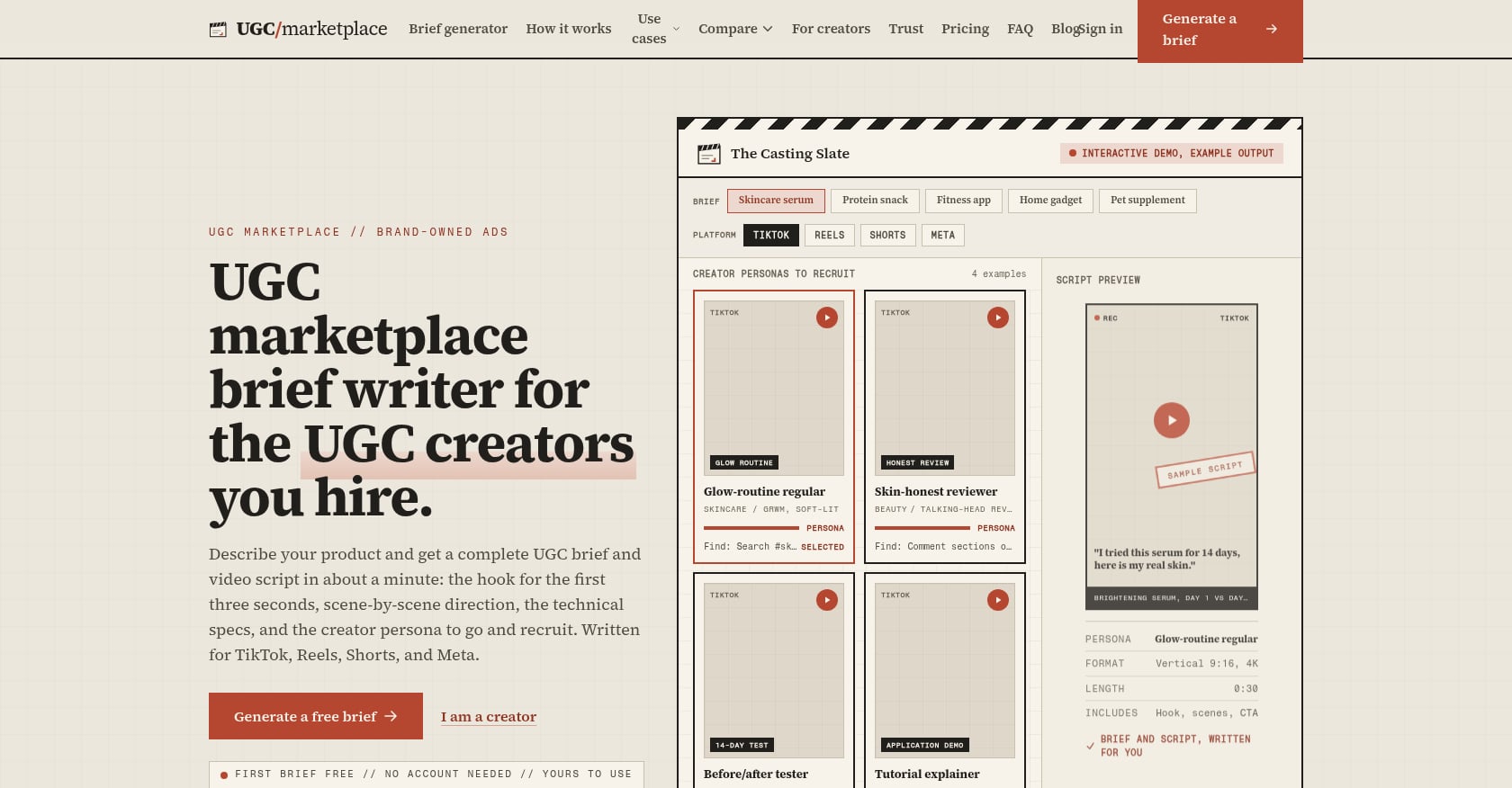
Businesses can browse, purchase, or commission content. Creators can showcase portfolios and monetize their work directly. UGC is one of the most effective forms of marketing right now, and brands strongly prefer authentic content over polished studio production. This creates demand for platforms connecting businesses with creators.
How it makes money:
Transaction commission (10 to 20% per deal)
Premium creator listings and portfolio features
Brand subscription for unlimited browsing/outreach
Real-world proof: Platforms like Billo and Insense have raised millions validating this model. But they’re web-first and often expensive for smaller brands. A mobile-first UGC marketplace with lower fees would appeal to both sides of the market.
Build complexity: Moderate. Creator profiles, portfolio uploads, brand search/filter, messaging, and payment escrow. The marketplace model requires reaching critical mass on both sides, which is the real challenge.
Tradeoffs:
Classic chicken-and-egg marketplace problem (need creators AND brands)
Payment disputes and content quality enforcement
Requires significant trust and safety infrastructure
Emerging & Niche Ideas
These app ideas for creators target newer trends and underserved niches where competition is still thin.
1. AI Content Repurposing Engine

Best for: Podcasters, YouTubers, and long-form creators who need to distribute across multiple formats.
Takes a YouTube video or podcast episode and generates clips, social media posts, newsletter drafts, and quote graphics. Using NLP, these tools can summarize long content and assist in generating outlines or finished pieces. As content creation demands increase, this saves creators hours of manual repurposing work every week.
How it makes money:
Usage-based pricing (credits per piece of content processed)
Monthly subscription with a set number of repurposes
Team plans for creators with assistants
Build complexity: Moderate to high. Requires AI/NLP integration for transcription, summarization, and content generation. Video clip detection adds significant complexity.
Tradeoffs:
AI output quality varies and requires human review
Transcription accuracy matters enormously (bad transcripts kill the whole pipeline)
Competes with Opus Clip, Descript, and similar tools
2. Portfolio & Case Study Builder App
Best for: Designers, consultants, and service-based creators who win clients through proof of work.
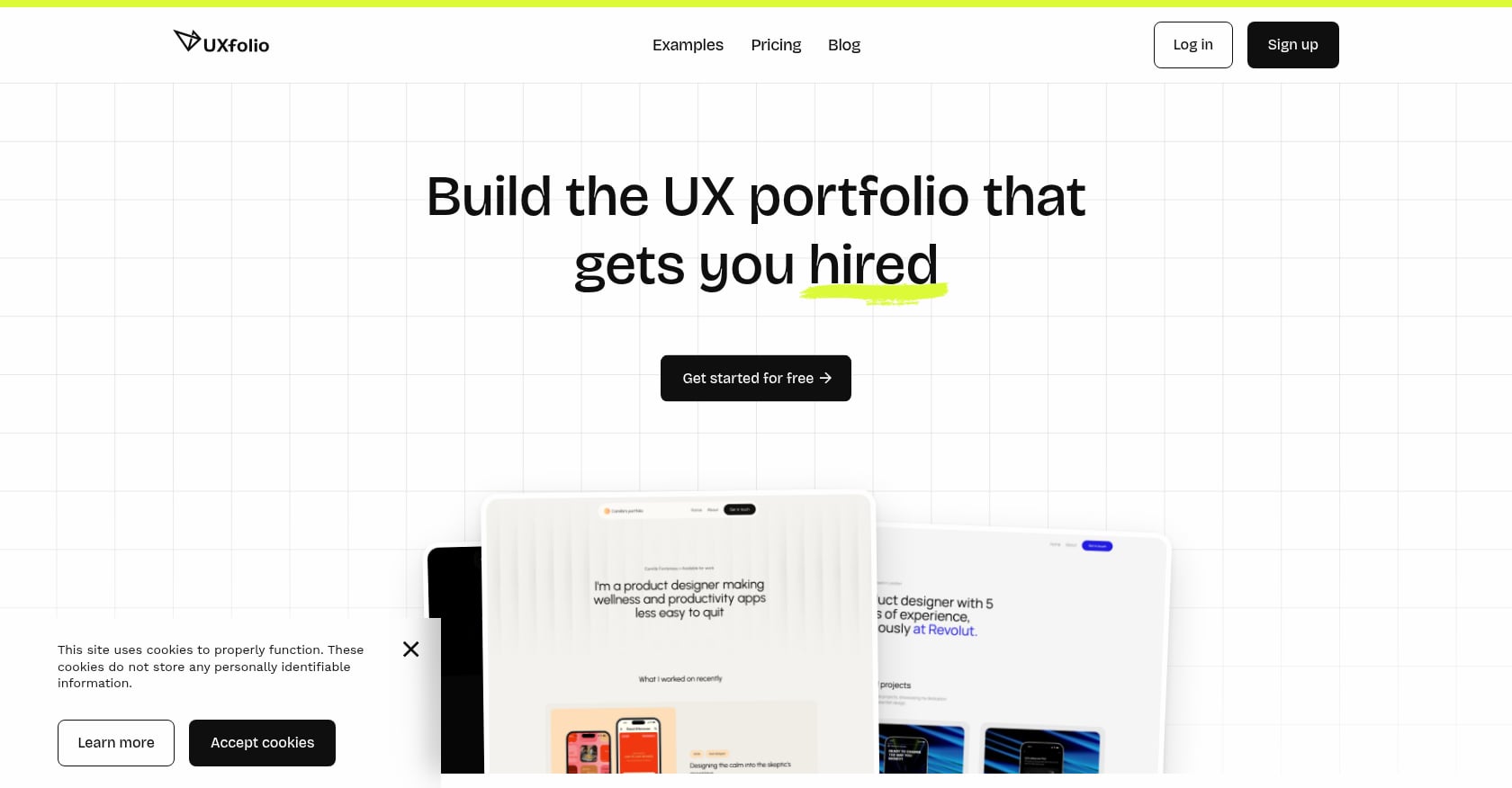
Turns project notes into publishable case studies with structured sections: challenge, approach, result. The app provides a fixed template structure and generates a public portfolio page. Most creators have great work buried in screenshots and Notion docs. This app surfaces it in a format that wins clients.
How it makes money:
Freemium with basic portfolio
Premium export options (custom domains, PDF downloads, branded templates)
Analytics on portfolio views
Build complexity: Low. Structured editor, template rendering, and a public page generator. This is a strong weekend project with clear monetization.
Tradeoffs:
Competes with Behance, Dribbble, and personal websites
Low switching cost (easy to leave for another tool)
Narrow audience unless expanded beyond visual designers
3. Creator Peer Feedback App
Best for: All creators who want quality feedback before publishing.
An app where creators share drafts, thumbnails, scripts, or video concepts and get fast, honest feedback from peers. The existing app RediToPost validates this concept: it positions itself as a go-to space for creators who want to level up their content before hitting “post,” whether they’re drafting an Instagram reel, TikTok video, YouTube thumbnail, or tweet.
How it makes money:
Freemium base with limited monthly feedback requests
Premium tiers for unlimited requests, priority placement, and expert feedback
Creator circles (paid groups of vetted, experienced creators)
Build complexity: Low to moderate. Content upload, feedback interface (ratings, comments, suggestions), user profiles, and matching logic. Gamification elements (reputation scores, badges) increase engagement.
Tradeoffs:
Quality control is critical (bad feedback drives good creators away)
Network effects take time to build
Monetization ceiling is lower than transactional apps
How to Pick the Right Idea
Fifteen ideas is a lot. Here’s how to narrow it down.
Start with what you know. If you’re a creator building for your own audience, pick the idea that maps to your existing strengths. A fitness coach should build a coaching app, not a UGC marketplace. A designer should build a digital storefront, not a video editor.
If you’re building for the creator market, pick the idea with the clearest pain point and the weakest existing solutions. Media kit generators and invoice trackers have surprisingly few good mobile-first options. That’s opportunity.
Validate before building. Talk to 10 creators in your target niche. Ask what tools they use, what they pay, and what frustrates them. Validate your app idea with real conversations before writing a single line of code.
Go iOS-first. Practitioners across indie developer forums consistently report that iOS users pay more reliably for apps and subscriptions. Per-user revenue on iOS is roughly 2 to 3x Android’s. iOS users expect to pay for utility apps. Android users expect free with ads. For subscription-based creator apps, iOS is the standard play.
Match monetization to your model. Subscription apps generate 4.5x more lifetime revenue per user than one-time purchases, according to RevenueCat’s 2025 report. For most of these app ideas for creators, subscriptions are the right model. But digital product storefronts and marketplaces work better with transaction-based revenue.
Once you’ve picked an idea, scope your MVP with this template to avoid building too much before you learn what users actually want.
How Do Creator Apps Make Money?
Creator apps generally use one of five monetization models: subscriptions, one-time purchases, transaction fees, advertising, or a freemium model with paid upgrades.
Monetization Model | Best For | Example Creator Apps |
|---|---|---|
Subscription | Communities, courses, SaaS tools | Membership, analytics, scheduling |
One-time purchase | Digital products | Templates, guides, presets |
Transaction fee | Marketplaces and commerce | UGC marketplace, live shopping |
Freemium | Tools with a large potential user base | Media kits, portfolio builders |
Usage-based | AI and processing-heavy apps | Video editing, content repurposing |
Subscription is attractive when users receive recurring value, but it is not automatically the best model. Apps with irregular usage may perform better with credits or one-time purchases, while marketplaces can monetize each transaction rather than charging users directly.
RevenueCat's subscription-app research also shows why monetization should be treated as an ongoing product decision rather than something added at the end. Its 2025 data found that 35% or more of apps were combining subscriptions with consumables or lifetime purchases, while nearly 30% of annual subscriptions were canceled within the first month.
How to Actually Build Your Creator App
The “build vs. platform” question is the first decision every creator faces. You can use Patreon, Circle, Mighty Networks, or Kajabi, or you can build your own app. Each approach has real tradeoffs.
Using an existing platform means faster launch and zero technical work, but you’re renting again. You don’t control the experience, the pricing, or the data. As one practitioner put it on a creator economy forum: “A true content creator platform should let you publish directly to an audience you own, give you built-in ways to make money, and let you leave with your data. If you can’t export your full subscriber list, you don’t own your business. You’re renting it.”
Building your own app means maximum control and maximum effort. Or at least, it used to.
The gap between “I want to build an app” and “I have an app on the App Store” has collapsed dramatically thanks to AI app-building tools. In 2026, a solo creator or founder can go from idea to a native iPhone app without writing Swift code manually.
The key distinction: native iOS apps (built in Swift) versus web wrappers or cross-platform builds. For creator apps that depend on subscriptions and in-app purchases, native iOS matters. Apple’s App Store review is stricter on non-native builds, and the subscription infrastructure works more reliably with native code.
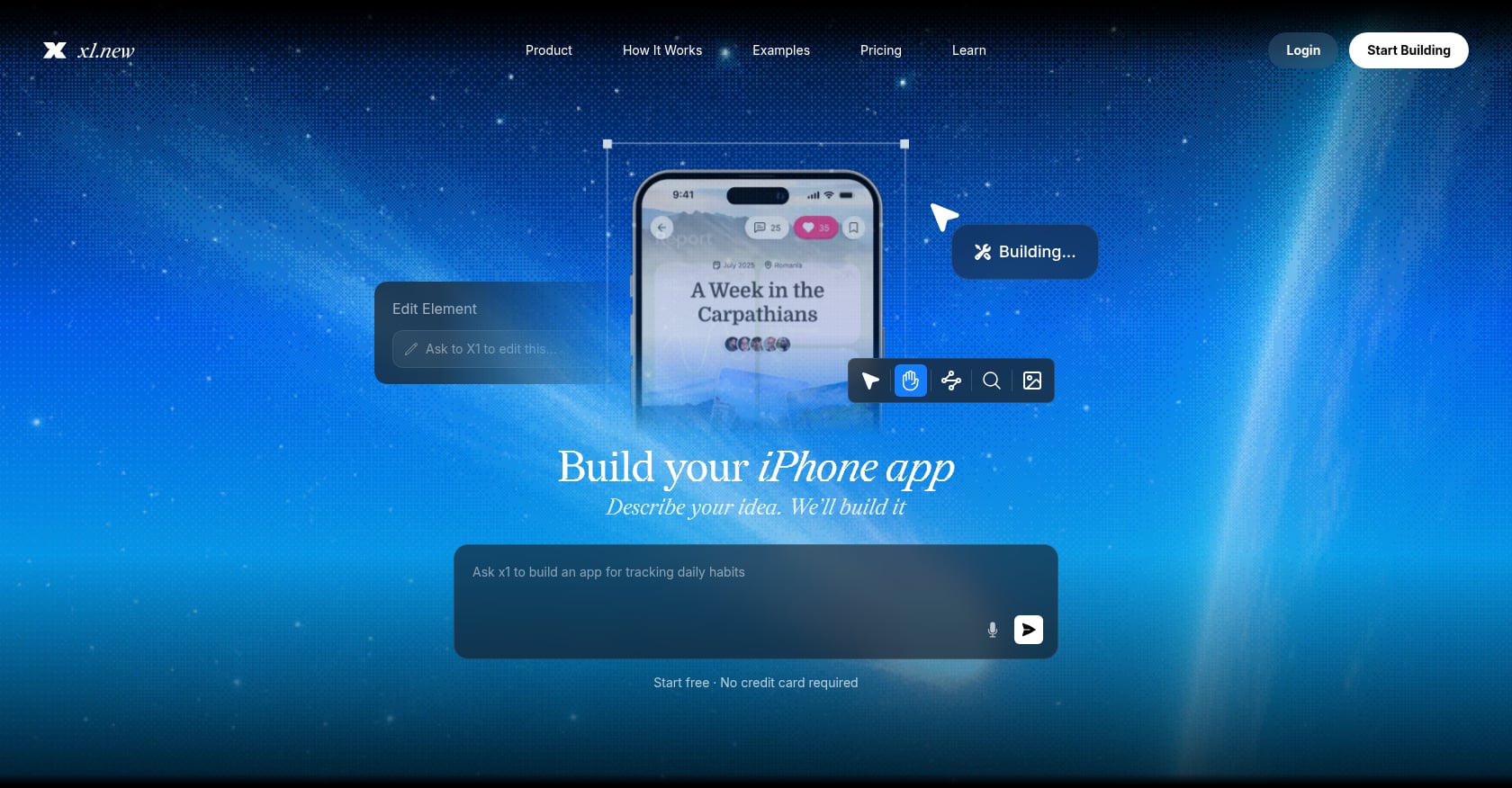
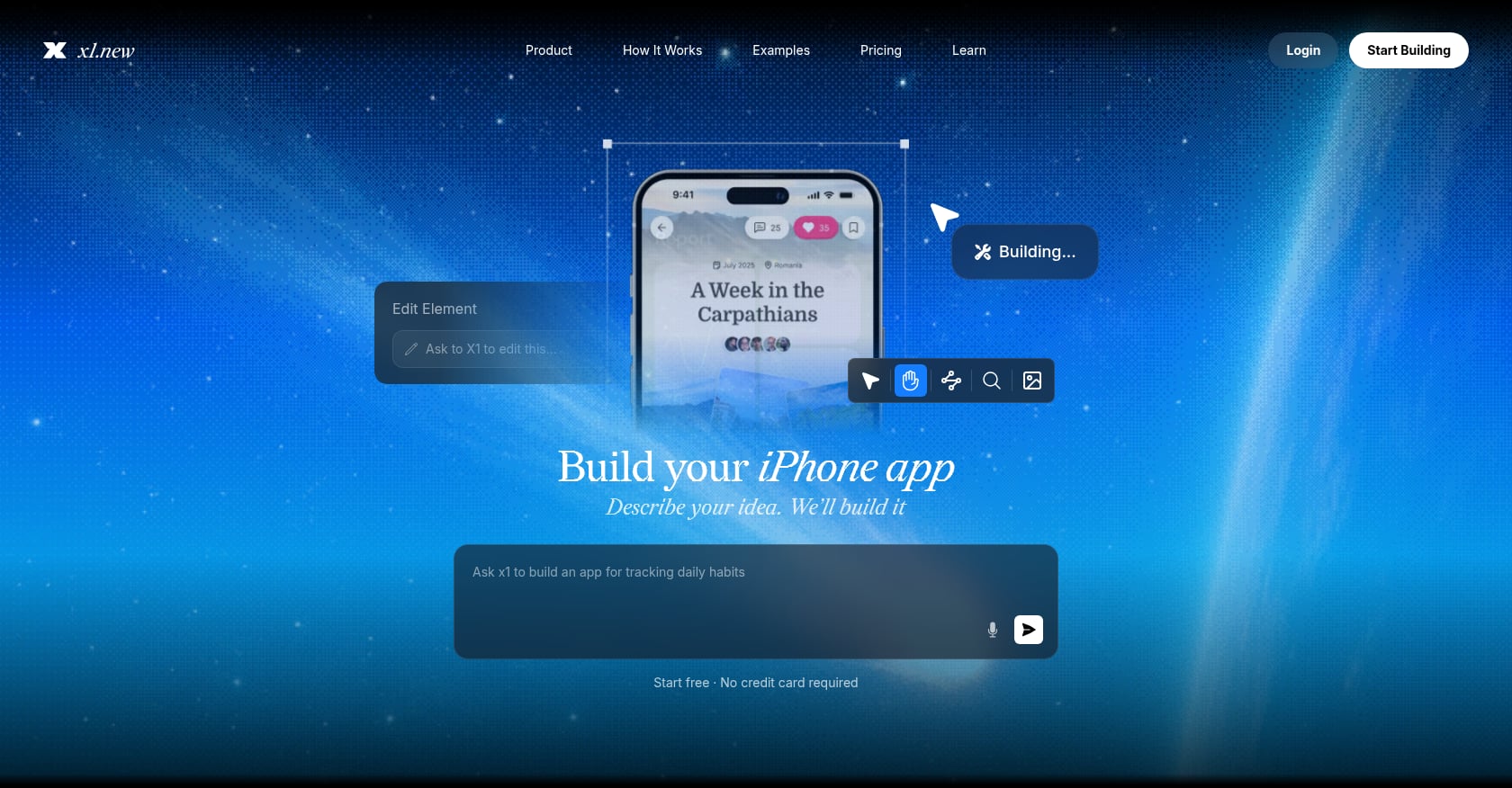
See how the full idea-to-App Store workflow works with x1, an AI app studio that generates native Swift apps through a guided five-stage process: Plan, Design, Build, Launch, and Iterate. You describe what you want in plain English, x1 maps the screens and features, you shape the visual design, and it generates a real Xcode project ready for submission.
The realistic revenue picture: Practitioners across indie developer communities are blunt about expectations. A Forasoft analysis found the honest median for solo app revenue is under $1,000 a month. But the top quartile, solo developers with tight niche positioning and subscription monetization, reaches $3,000 to $15,000 per month after 12 to 18 months. One viral thread from @ridark_eth documented a solo developer who built 35 micro SaaS products and hit $77,000 in a single month. The number of million-dollar solo businesses doubled in just one year.
A few tactical notes for the build:
Apple’s Small Business Program reduces the App Store commission to 15% for developers earning under $1 million per year. This matters enormously for creator apps.
Apple’s new group subscriptions (announced at WWDC 2026) let one customer purchase multiple seats. This is perfect for team or family plans in community and course apps.
Start with one core feature, not fifteen. The biggest challenge, as indie developers consistently say, isn’t writing code. It’s finding an idea small enough to ship fast but big enough to actually matter. Ship the core, then iterate.
When you’re ready to move from idea to app, follow this launch checklist to avoid the most common mistakes on submission day.
App Store Rules Creator Apps Need to Know
Payment rules can affect the architecture of a creator app before development even begins.
For digital content, subscriptions, and features unlocked inside an iOS app, Apple generally requires In-App Purchase. Apple specifically identifies premium content, digital goods, subscriptions, and feature unlocks as use cases for In-App Purchase.
Physical goods and certain services consumed outside the app use different payment rules. Apple also provides exceptions for certain real-time person-to-person services, such as one-to-one tutoring and fitness training.
Developers who qualify for Apple's Small Business Program can receive a 15% commission rate on paid apps and In-App Purchases, subject to the program's eligibility requirements. Apple states that developers and associated accounts must generally have no more than $1 million in proceeds during the relevant prior calendar year to qualify.
Before building a monetized creator app, determine whether what you're selling is digital content, a physical product, a one-to-one service, or another type of transaction. That decision can affect your checkout flow and app architecture.
The Opportunity Is Now
The creator tools market is growing at 10.5% CAGR. The creator economy itself is accelerating toward $1.3 trillion. And the tools to build native apps without traditional development teams have never been more accessible.
Pick one idea from this list. Validate it with real creators. Build the smallest version that delivers value. Ship it.
The window for app ideas for creators is wide open, but it won’t stay that way. The first movers in each niche, the ones who actually ship, capture the audience while everyone else is still debating frameworks.
Try building your first app idea free with about 100 credits, enough to go from concept to a working prototype and see whether your idea has legs.
FAQ
What types of app ideas for creators make the most money?
Subscription-based apps, particularly community, course, and exclusive content apps, generate the highest lifetime revenue. RevenueCat’s data shows subscription apps earn 4.5x more per user than one-time purchase apps. Community and membership apps tend to have the strongest retention because they create social lock-in.
Do I need to know how to code to build a creator app?
No. AI app studios like x1 generate native iOS apps from plain English descriptions. The build process has shifted from “write code” to “describe what you want and refine the output.” That said, understanding basic app concepts (screens, flows, data models) helps you make better decisions during the build.
Should I build for iOS or Android first?
iOS, almost always. Per-user revenue on iOS is roughly 2 to 3x higher than Android. iOS users are more willing to pay for subscriptions and utility apps. For creator apps where monetization depends on in-app purchases or subscriptions, iOS-first is the standard recommendation across indie developer communities.
How much can a solo developer realistically earn from a creator app?
The honest median is under $1,000 per month. Top-quartile results for solo developers with good niche positioning and subscription monetization fall between $3,000 and $15,000 per month after 12 to 18 months. Outliers exist (one documented case hit $77,000 in a single month across multiple products), but plan for the median and work toward the top quartile.
How do I validate a creator app idea before building?
Talk to 10 to 15 creators in your target niche. Ask what tools they currently use, what they pay, and what frustrates them. Look for patterns in the complaints. If five out of ten mention the same pain point, you have something worth building. Check the proven methods playbook for app idea validation for a structured process.
What’s the difference between building my own app and using a platform like Patreon or Circle?
Platforms are faster to launch but limit your control. You can’t fully customize the experience, you pay ongoing platform fees (8 to 12% on Patreon, $89+/month on Circle), and you can’t always export your data. A custom app gives you full ownership of the experience, the audience relationship, and the revenue, but requires more upfront effort to build and maintain.
How long does it take to build and launch a creator app?
With AI tools, a simple app (digital storefront, media kit generator, portfolio builder) can go from idea to App Store submission in days to a few weeks. More complex apps (live shopping, AI video editor, community platform) take weeks to months. The key variable isn’t the code generation. It’s the design decisions, content preparation, and App Store review process.
What does Apple charge for in-app purchases in creator apps?
Apple takes 30% of in-app purchase revenue by default. However, the Small Business Program reduces this to 15% for developers earning under $1 million per year. Physical goods and services (like coaching sessions conducted in person) can use external payment processors, but digital content and subscriptions must use Apple’s in-app purchase system.